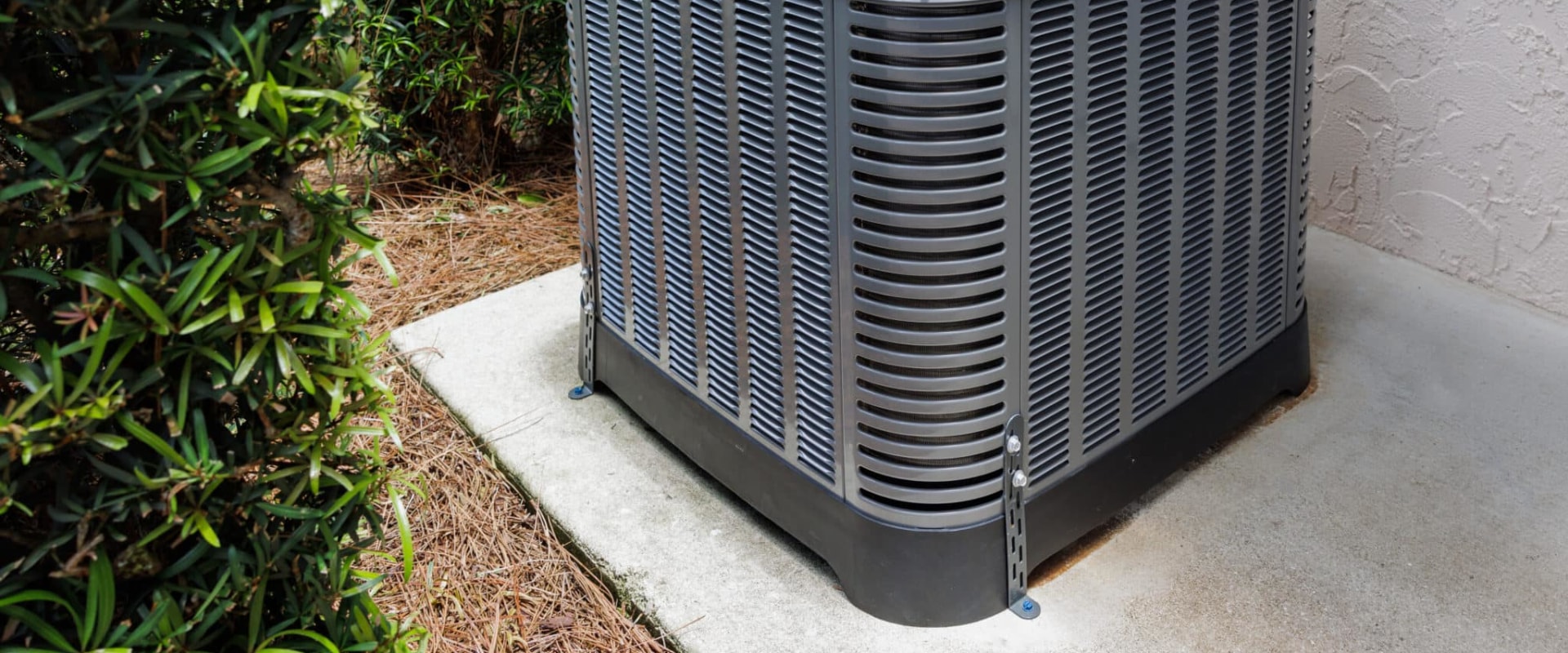
The AC condenser plays a pivotal role in the overall functionality of an air conditioning system. It is responsible for dissipating heat absorbed from the indoor air, allowing the refrigerant to cool down and transform back into a liquid state. This process is essential for maintaining a comfortable indoor environment, especially during the sweltering summer months. Understanding how the condenser operates is crucial for homeowners, as it can significantly impact the efficiency and longevity of their air conditioning units.At its core, the AC condenser works by receiving high-pressure gas from the compressor.
As this gas enters the condenser coils, it is exposed to outdoor air, which helps to cool it down. The heat exchange process causes the refrigerant to condense into a liquid form, releasing heat into the atmosphere. This liquid refrigerant then travels back to the evaporator coil inside the home, where it absorbs heat and continues the cycle. Without a properly functioning condenser, this cycle would be disrupted, leading to inefficient cooling and increased energy costs.The importance of the AC condenser cannot be overstated.
Not only does it facilitate the cooling process, but it also contributes to the overall energy efficiency of your air conditioning system. A well-maintained condenser can help reduce energy consumption and lower utility bills, making it a vital component for any homeowner looking to optimize their HVAC system. Conversely, neglecting this component can lead to significant issues, including reduced cooling capacity and potential system failures.In summary, understanding the function and significance of the AC condenser is essential for making informed decisions regarding maintenance and potential replacement. As we delve deeper into the pros and cons of replacing your AC unit's condenser, this foundational knowledge will equip you with the insights needed to navigate your options effectively.
Signs That Your AC Condenser Needs Replacement
Recognizing the signs that your AC condenser may need replacement is crucial for maintaining a comfortable home environment and avoiding unexpected expenses.Here are some key indicators to watch for:
- Age of the Unit: If your air conditioning unit is over 10 years old, it’s essential to evaluate its performance closely. As systems age, they become less efficient and more prone to breakdowns. If the condenser is nearing the end of its lifespan, replacement might be the most cost-effective option.
- Frequent Repairs: If you find yourself calling for repairs more often than usual, particularly for the condenser, it may be a sign that the unit is failing. Frequent issues can indicate that the system is struggling to operate effectively, leading to higher energy bills and discomfort.
- Increased Energy Bills: A sudden spike in your energy costs can signal that your AC condenser is not functioning efficiently.
If the unit has to work harder to cool your home due to a failing condenser, it will consume more energy, resulting in higher utility bills.
- Inconsistent Cooling: If certain areas of your home are warmer than others or if you notice that your AC isn’t cooling as effectively as it used to, this could indicate a problem with the condenser. An inefficient condenser may struggle to distribute cool air evenly throughout your space.
- Unusual Noises: Sounds such as grinding, hissing, or clanking coming from your AC unit can be alarming. These noises often suggest mechanical issues within the condenser that could lead to failure if not addressed promptly.
- Leaking Refrigerant: If you notice any signs of refrigerant leaks around your outdoor unit, this is a serious concern. Low refrigerant levels can lead to inadequate cooling and may indicate that the condenser is damaged and needs replacement.
They can conduct a thorough inspection and help determine whether replacing the condenser or considering a new AC unit altogether is the best course of action. Early detection and intervention can save you from costly repairs down the line and ensure your home remains comfortable during hot weather.
Pros of Replacing Your AC Unit's Condenser
Replacing your AC unit's condenser can offer numerous advantages that significantly enhance your home's comfort and efficiency. Here are some key benefits to consider:- Improved Energy Efficiency: One of the most compelling reasons to replace an aging condenser is the potential for improved energy efficiency. Newer models are designed with advanced technology that allows them to operate more efficiently, consuming less electricity while providing the same or even better cooling performance.
This can lead to substantial savings on your monthly energy bills.
- Enhanced Cooling Performance: A new condenser can dramatically improve your air conditioning system's cooling capabilities. If your current unit struggles to maintain a comfortable temperature, a replacement can restore optimal performance, ensuring that your home remains cool even during the hottest months.
- Reduced Repair Costs: Older condensers often require frequent repairs, which can add up over time. By investing in a new unit, you can minimize the risk of unexpected breakdowns and costly repairs. This not only saves you money but also provides peace of mind knowing that your system is reliable.
- Quieter Operation: Many modern condensers are designed to operate more quietly than their older counterparts.
If noise has been an issue with your current unit, a new condenser can significantly reduce sound levels, creating a more peaceful home environment.
- Environmental Benefits: Newer AC units often use refrigerants that are more environmentally friendly compared to older models. By replacing your condenser, you contribute to reducing greenhouse gas emissions and promoting a healthier planet.
- Increased Home Value: Upgrading your air conditioning system can enhance the overall value of your home. Potential buyers often look for homes with modern, efficient HVAC systems, making a new condenser an attractive feature if you ever decide to sell.
Cons of Replacing Your AC Unit's Condenser
While replacing your AC unit's condenser can sometimes be a necessary step, it is essential to consider the potential drawbacks associated with this decision.Understanding these disadvantages can help homeowners make informed choices about their HVAC systems.
High Upfront Costs
One of the most significant concerns when replacing an AC condenser is the high upfront cost. The price of a new condenser can be substantial, often ranging from $1,500 to $3,000 or more, depending on the brand and model. This expense does not include installation fees, which can add another $500 to $1,500 to the total cost. For many homeowners, this initial investment can be a considerable financial burden, especially if they were not anticipating such a large expense.
Compatibility Issues
Another critical factor to consider is the compatibility of a new condenser with an older air conditioning system.
If your existing unit is outdated or nearing the end of its lifespan, installing a new condenser may not yield optimal results. Incompatibility can lead to inefficiencies in performance and increased energy consumption. Additionally, if other components of the system are also aging, you may find yourself facing further repairs or replacements shortly after installing the new condenser.
Potential for Increased Repair Needs
Replacing just the condenser may provide a temporary solution, but it does not address underlying issues that could lead to future problems. If your air conditioning system has been experiencing frequent breakdowns or inefficiencies, simply replacing the condenser might not resolve these issues.
Homeowners may find themselves in a cycle of repairs that could have been avoided by investing in a complete system replacement.
Warranty Limitations
When replacing an AC condenser, it is crucial to consider warranty implications. Many manufacturers offer warranties on new units; however, these warranties may not cover parts that are not replaced simultaneously. If your system fails shortly after replacing the condenser and other components are still old or worn out, you might find yourself responsible for additional repair costs that could have been covered under warranty.
Conclusion
In summary, while there are valid reasons for replacing an AC unit's condenser, it is essential to weigh these drawbacks against the potential benefits. High upfront costs, compatibility issues with older systems, and the risk of increased repair needs are all factors that should be carefully considered before making a decision.
Consulting with a qualified HVAC professional can provide valuable insights tailored to your specific situation.
Cost Considerations for Replacing an AC Condenser
When considering the replacement of your AC unit's condenser, understanding the associated costs is crucial for effective budgeting. The price of an AC condenser replacement can vary significantly based on several factors, including the brand, model, and the complexity of the installation.Average Costs
- The average cost for a new AC condenser ranges from $1,500 to $4,000. This price typically includes both the unit itself and labor costs for installation.
- Higher-end models or those with advanced features may push the total cost closer to $5,000 or more.
- Labor costs can vary by region but generally range from $50 to $150 per hour, depending on the HVAC technician's experience and your location.
Factors Influencing Cost
- Unit Size: The size of the condenser needed for your home will directly impact the cost. Larger units designed for bigger spaces tend to be more expensive.
- Brand and Efficiency: Well-known brands with high energy efficiency ratings often come at a premium.
However, investing in a more efficient model can lead to savings on energy bills over time.
- Installation Complexity: If your existing setup requires modifications or if there are accessibility issues, installation costs may increase.
Additional Costs to Consider
- Permits: Depending on local regulations, you may need permits for installation, which can add to your overall expenses.
- Old Unit Removal: Some contractors charge extra for removing and disposing of your old condenser unit.
- Warranty Options: Consider investing in extended warranties or service plans that can cover future repairs or replacements, adding to your initial budget but potentially saving you money in the long run.
Comparing Replacement vs. Repair: Which is Right for You?
When faced with the decision to replace or repair your AC condenser, it’s essential to evaluate several key factors that can influence your choice. Understanding these elements can help you make an informed decision that aligns with your budget and long-term comfort needs.1.Age of the Unit
The age of your air conditioning unit plays a significant role in determining whether to repair or replace the condenser.
Most air conditioning systems have a lifespan of about 10 to 15 years. If your unit is approaching or has surpassed this age, it may be more prudent to invest in a new system rather than pouring money into repairs. An older unit is more likely to experience additional failures, making ongoing repairs a less viable option.
2.Condition and Repair History
Assessing the overall condition of your AC unit is crucial. If you’ve had to make frequent repairs over the past few years, this could indicate that the system is nearing the end of its operational life.
A history of repeated issues, especially with major components like the compressor or condenser, suggests that replacing the entire unit might be a more cost-effective solution in the long run.
3.Cost Considerations
When evaluating whether to repair or replace, consider the costs involved. A single repair may seem less expensive initially, but if multiple repairs are needed within a short timeframe, those costs can add up quickly. In contrast, while replacing the condenser may require a larger upfront investment, it could save you money on future repairs and energy bills if it leads to improved efficiency.
4.Energy Efficiency
Newer air conditioning units are designed with advanced technology that enhances energy efficiency. If your current system is outdated, replacing it with a modern unit can lead to significant savings on your energy bills.
Additionally, many newer models come with warranties that cover parts and labor for several years, providing peace of mind.
5.Professional Consultation
Ultimately, consulting with a qualified HVAC professional can provide valuable insights tailored to your specific situation. They can conduct a thorough inspection of your system and help you weigh the pros and cons of each option based on its condition, age, and repair history.In conclusion, deciding whether to repair or replace your AC condenser involves careful consideration of various factors including age, condition, repair history, cost implications, and energy efficiency. By taking these elements into account and seeking professional advice, you can make a decision that best suits your home’s cooling needs.
The Importance of Professional Consultation in HVAC Decisions
When faced with the decision to repair or replace your air conditioning unit's condenser, consulting with a qualified HVAC professional is crucial. These experts possess the knowledge and experience necessary to assess your specific situation accurately.They can provide insights that go beyond mere cost considerations, helping you understand the long-term implications of your choices.One of the primary benefits of hiring an HVAC technician is their ability to conduct a thorough evaluation of your system. This includes checking the age of your unit, its overall condition, and any existing issues that may not be immediately apparent. For instance, a technician can identify whether the condenser's problems are isolated or indicative of larger systemic failures. This comprehensive assessment can save you from making hasty decisions that could lead to further expenses down the line.Moreover, HVAC professionals are well-versed in the latest technologies and energy-efficient solutions available in the market.
They can recommend options that not only fit your budget but also enhance your home's energy efficiency. This is particularly important as older units often consume more energy, leading to higher utility bills. By consulting with an expert, you can explore modern alternatives that may offer better performance and lower operating costs.Another significant advantage of professional consultation is access to warranties and service agreements. Many HVAC companies offer warranties on their work, which can provide peace of mind in case future issues arise.
A technician can guide you through the warranty options available for both repairs and new installations, ensuring you make an informed choice that protects your investment.In addition to technical expertise, HVAC professionals can also help you navigate any local regulations or codes related to air conditioning systems. Compliance with these regulations is essential for safety and efficiency, and a knowledgeable technician will ensure that any work done meets these standards.Ultimately, consulting with an HVAC expert before making decisions about your air conditioning system is not just a good idea; it’s a necessary step in ensuring that you make the best choice for your home and budget. Their insights can lead to better performance, increased comfort, and long-term savings.
Frequently Asked Questions About Replacing Your AC Condenser
When it comes to replacing your AC unit's condenser, homeowners often have numerous questions. Understanding the process and implications can help you make informed decisions.Here are some of the most frequently asked questions regarding AC condenser replacement:
1.What are the signs that my AC condenser needs to be replaced?
Several indicators suggest that your AC condenser may need replacement:- Age of the Unit: If your air conditioning system is over 10 years old, it may be nearing the end of its lifespan.
- Frequent Breakdowns: If you find yourself calling for repairs multiple times a season, it might be more cost-effective to replace the unit.
- Increased Energy Bills: A failing condenser can lead to inefficiency, causing your energy bills to rise significantly.
- Unusual Noises: Grinding, hissing, or clanking sounds can indicate serious issues within the condenser.
2.Is it better to replace just the condenser or the entire AC unit?
This decision largely depends on the age and condition of your entire system. If your unit is relatively new and only the condenser is failing, replacing just that component may be a viable option. However, if your system is older and other parts are also showing signs of wear, investing in a new complete system could save you money in the long run.3.How long does it take to replace an AC condenser?
The replacement process for an AC condenser typically takes a few hours to a full day, depending on the complexity of the installation and whether any additional repairs are needed. A professional HVAC technician will ensure that everything is installed correctly and efficiently.4.What should I expect in terms of costs?
The cost of replacing an AC condenser can vary widely based on factors such as brand, model, and labor costs in your area.On average, homeowners can expect to pay between $1,500 and $2,500 for a new condenser installation. It's advisable to get multiple quotes from reputable HVAC companies to ensure you're getting a fair price.
5.Can I replace my AC condenser myself?
While some homeowners may feel confident in their DIY skills, replacing an AC condenser requires specialized knowledge and tools. Improper installation can lead to further damage or safety hazards. It’s highly recommended to hire a licensed HVAC professional for this task.By addressing these common questions about replacing your AC unit's condenser, you can better navigate the complexities of HVAC maintenance and make decisions that best suit your home and budget.Conclusion: Making an Informed Decision About Your AC Unit's Condenser
In conclusion, the decision to replace your AC unit's condenser is not one to be taken lightly.It requires careful consideration of various factors, including the age of your unit, the extent of the damage, and the potential costs involved. As we have discussed, there are both pros and cons to replacing just the condenser versus opting for a full system replacement.On one hand, replacing the condenser can be a more affordable short-term solution, especially if your air conditioning unit is relatively new and has been well-maintained. This option allows you to extend the life of your existing system without incurring the higher costs associated with a complete replacement. However, it is crucial to assess whether this investment will yield long-term benefits or if it merely delays an inevitable larger expense.Conversely, if your AC unit is older than ten years or has a history of frequent breakdowns, investing in a new system may be the wiser choice.
A new air conditioning unit not only provides improved energy efficiency but also comes with modern features that can enhance comfort and reduce utility bills. Additionally, newer models often come with warranties that can protect you from unexpected repair costs.Ultimately, consulting with a professional HVAC technician is essential in making an informed decision. They can provide a thorough inspection and help you weigh the cost-effectiveness of repairing versus replacing your condenser. Remember that while immediate savings may be appealing, considering the long-term implications on your home’s comfort and energy efficiency is equally important.In summary, take the time to evaluate all aspects of your situation before making a final decision.
Whether you choose to replace just the condenser or invest in a new AC unit entirely, being well-informed will lead to better outcomes for your home and budget.