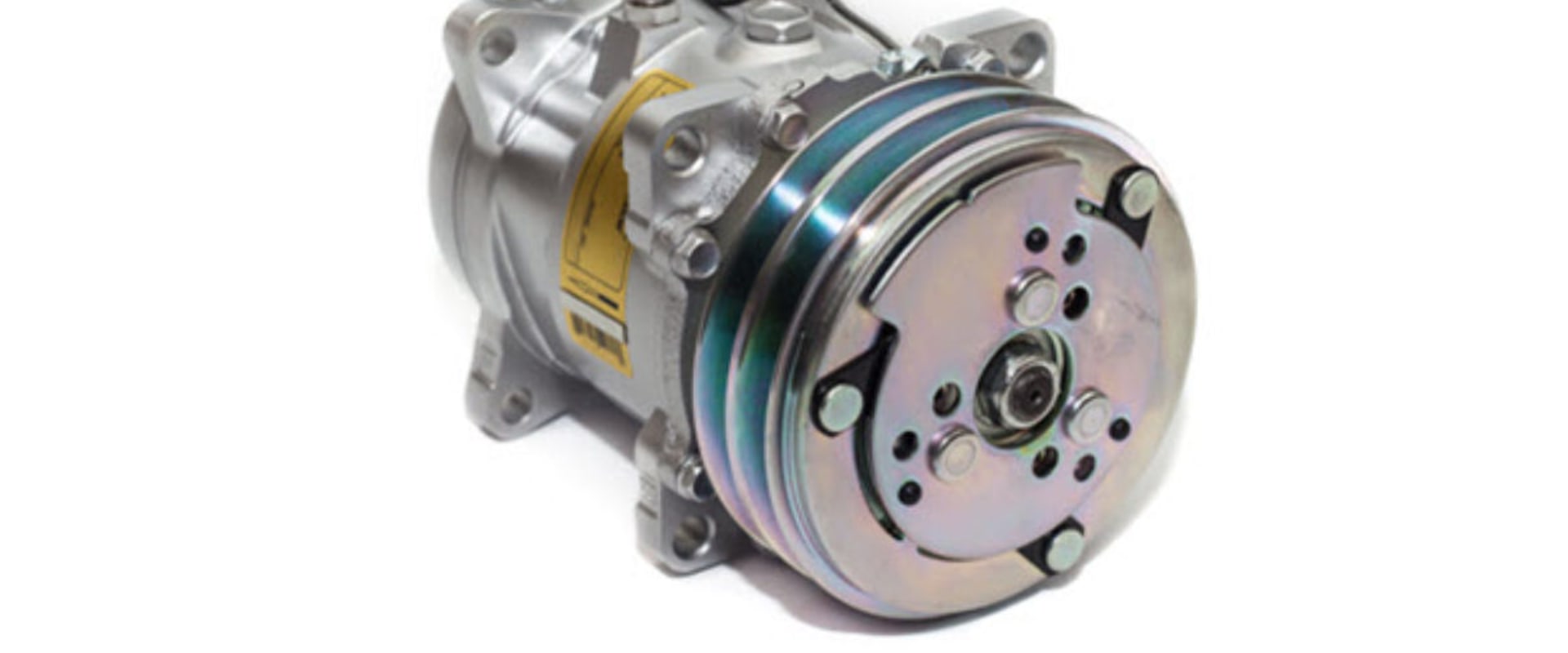
The air conditioning (AC) system in your car is not just a luxury; it plays a vital role in ensuring comfort during those sweltering summer months. At the heart of this system lies the AC compressorAC compressor, a component that is often overlooked yet essential for the effective operation of your vehicle's cooling system. Understanding the function and importance of the AC compressor is crucial for any car owner who wishes to maintain a comfortable driving environment and extend the lifespan of their vehicle's air conditioning system.The primary function of the AC compressor is to compress and circulate refrigerant throughout the air conditioning system. This process begins when the compressor draws in low-pressure refrigerant gas from the evaporator.
Once inside, the compressor increases the pressure of this gas, transforming it into a high-pressure gas that is then sent to the condenser. Here, the refrigerant releases heat and condenses into a liquid state before flowing back into the evaporator to repeat the cycle. This continuous process is what allows cool air to flow through your car's vents, providing relief from external heat.Moreover, the importance of the AC compressor extends beyond mere comfort. A well-functioning AC system contributes to overall vehicle performance by regulating cabin temperature and humidity levels, which can enhance driver focus and reduce fatigue on long journeys.
Additionally, a malfunctioning compressor can lead to more significant issues within the AC system, resulting in costly repairs and potential damage to other components. Therefore, understanding how your AC compressor works and its role in your car's air conditioning system is essential for effective maintenance and timely repairs.
Average Lifespan of an AC Compressor
The lifespan of an AC compressor is a critical aspect for car owners to understand, as it directly impacts the efficiency of the vehicle's air conditioning system. On average, an AC compressor can last between 8 to 12 years , but this range can vary significantly based on several influencing factors.Usage Patterns
One of the primary factors affecting the lifespan of an AC compressor is how frequently and intensely it is used. For instance, if you live in a region with a hot climate and rely heavily on your car's air conditioning during the summer months, the compressor will be under constant strain.
This frequent usage can lead to faster wear and tear, potentially shortening its lifespan. Conversely, if you reside in a cooler area where the AC is seldom used, your compressor may last longer due to less operational stress.
Maintenance Practices
Regular maintenance plays a vital role in extending the life of your AC compressor. Adhering to your vehicle manufacturer's recommended maintenance schedule is essential. This includes:
- Changing the refrigerant as needed
- Cleaning or replacing air filters
- Inspecting for leaks or damage
- Checking and maintaining proper refrigerant levels
Environmental Conditions
The environment in which you drive also significantly impacts your AC compressor's longevity.
Extreme temperatures, high humidity levels, and exposure to road debris can all contribute to increased wear on the compressor. For example, parking your car in direct sunlight for extended periods can cause overheating, while driving in areas with heavy dust or debris can lead to contamination within the system.In summary, while the average lifespan of an AC compressor ranges from 8 to 12 years, understanding how usage patterns, maintenance practices, and environmental conditions affect this lifespan is crucial for car owners. By taking proactive measures in these areas, you can help ensure that your AC compressor remains functional for as long as possible.
Signs of a Failing AC Compressor
Understanding the symptoms of a failing AC compressor is crucial for any car owner. Early detection can save you from expensive repairs and ensure your vehicle remains comfortable during hot weather.Here are some common signs that indicate your AC compressor may be on the verge of failure:
- Unusual Noises: If you start hearing strange sounds such as grinding, squealing, or rattling when you turn on your air conditioning, it could be a sign that the AC compressor is failing. These noises often indicate internal damage or wear and tear that needs immediate attention.
- Weak Airflow: A noticeable decrease in airflow from your vents can signal a problem with the AC compressor. If the air coming out is weak or inconsistent, it may not be circulating refrigerant effectively, which is essential for cooling.
- Warm Air Blowing: One of the most obvious signs of a malfunctioning AC compressor is warm air blowing through the vents instead of cool air. This could indicate that the compressor is not compressing refrigerant properly, leading to inadequate cooling.
- Leaking Refrigerant: If you notice any fluid pooling under your vehicle, it could be a refrigerant leak.
A failing AC compressor can cause refrigerant to escape, which not only affects cooling performance but can also harm the environment.
- Frequent Cycling: If your AC system frequently turns on and off, this could indicate that the compressor is struggling to maintain proper pressure levels. This cycling can lead to increased wear on the compressor and other components of the AC system.
- Electrical Issues: A failing AC compressor may also cause electrical problems within your vehicle. If you experience issues with dashboard lights or other electrical components when using the AC, it could be related to a malfunctioning compressor.
Regular maintenance and timely inspections by a qualified technician can help ensure your AC system remains in good working order.
Regular Maintenance Practices for Your AC Compressor
To ensure the longevity and efficiency of your car's AC compressor, implementing a regular maintenance routine is essential. This not only helps in extending the lifespan of the compressor but also enhances the overall performance of your vehicle's air conditioning system. Here are some expert tips on how to maintain your AC compressor effectively:- Follow the Manufacturer's Maintenance Schedule: Every vehicle comes with a recommended maintenance schedule outlined in the owner’s manual. Adhering to this schedule is crucial, as it provides specific intervals for checking and servicing the AC system.
- Regularly Check Refrigerant Levels: The refrigerant is vital for the AC system's operation.
Low refrigerant levels can cause the compressor to work harder, leading to premature failure. Have your refrigerant levels checked at least once a year and topped off as necessary.
- Inspect for Leaks: Regularly inspect your AC system for any signs of refrigerant leaks. Look for oily spots around the compressor and hoses, which can indicate a leak. If you suspect a leak, have it repaired immediately to prevent further damage.
- Change the Cabin Air Filter: A clogged cabin air filter can restrict airflow and put additional strain on the AC compressor.
Check and replace the cabin air filter according to your vehicle’s maintenance schedule, typically every 12,000 to 15,000 miles.
- Clean or Replace the Condenser: The condenser plays a crucial role in dissipating heat from the refrigerant. Ensure that it is clean and free from debris such as leaves or dirt. If necessary, clean it with water or replace it if damaged.
- Run Your AC Regularly: Even during cooler months, it's beneficial to run your AC system periodically. This helps keep the compressor lubricated and prevents seals from drying out, which can lead to leaks.
- Listen for Unusual Noises: Pay attention to any strange sounds coming from your AC system when it’s running.
Grinding or squealing noises may indicate that the compressor is struggling and needs immediate attention.
Protecting Your Car's AC System from Environmental Factors
The performance and longevity of your car's AC compressor can be significantly impacted by environmental factors. Extreme temperatures, high humidity, and exposure to debris can all contribute to wear and tear on this vital component. Understanding how these elements affect your AC system is crucial for maintaining its efficiency and extending its lifespan.Extreme Temperatures
High temperatures can cause the refrigerant in your AC system to overheat, leading to increased pressure within the compressor.
This can result in premature failure if the compressor is consistently subjected to excessive heat. Conversely, extremely low temperatures can cause the oil within the compressor to thicken, reducing its ability to lubricate moving parts effectively. To mitigate these risks, consider the following:
- Park in Shade: Whenever possible, park your vehicle in shaded areas or use a car cover to shield it from direct sunlight. This helps keep the interior temperature lower and reduces the strain on your AC system.
- Use a Windshield Sunshade: A sunshade can significantly reduce the heat buildup inside your car, making it easier for your AC compressor to cool the cabin efficiently.
High Humidity
High humidity levels can also affect your AC compressor's performance.
When humidity is high, the AC system has to work harder to remove moisture from the air before cooling it. This added strain can lead to increased wear on the compressor. To combat this issue:
- Run Your AC Regularly: Even during cooler months, running your AC periodically helps maintain its functionality and prevents moisture buildup in the system.
- Check for Leaks: Regularly inspect your AC system for any signs of refrigerant leaks, as these can exacerbate issues related to humidity.
Protecting Against Debris
Road debris, such as dirt, leaves, and small stones, can obstruct airflow and damage components of your AC system. To protect against these hazards:
- Avoid Off-Roading: If possible, stick to paved roads where debris is less likely to be kicked up into your vehicle's undercarriage.
- Regular Cleaning: Keep the exterior of your vehicle clean and free from debris that could enter the AC system through vents or other openings.
Regular maintenance combined with protective strategies will ensure that your AC compressor remains in optimal condition for years to come.
Using Your Car's Air Conditioning Wisely
Using your car's air conditioning system efficiently is essential not only for maintaining comfort but also for prolonging the lifespan of your AC compressor. Here are some best practices to consider when operating your vehicle's air conditioning:- Start with the Windows Down: When you first get into a hot car, it’s beneficial to roll down the windows and let the hot air escape before turning on the AC. This can help reduce the initial load on the compressor and cool down the cabin more quickly.
- Use Recirculation Mode: Most modern vehicles come equipped with a recirculation mode that allows the AC system to reuse the already cooled air inside the cabin. This setting can significantly reduce the workload on your compressor, making it more efficient.
- Avoid Overusing Maximum AC: While it might be tempting to blast your AC on the highest setting during sweltering days, doing so can put unnecessary strain on the compressor.
Instead, start with a moderate setting and adjust as needed for comfort.
- Maintain a Comfortable Temperature: Setting your AC to a temperature that is too low can lead to excessive energy consumption and strain on the system. Aim for a comfortable temperature that is just a few degrees lower than the outside temperature.
- Regularly Check Your AC System: Keeping your air conditioning system well-maintained is crucial. Regular checks can help identify any issues early on, ensuring that your compressor operates efficiently. This includes checking refrigerant levels and ensuring there are no leaks.
- Limit Sun Exposure: Whenever possible, park in shaded areas or use sunshades to minimize heat buildup inside your car.
This will reduce the amount of work your AC has to do when you start driving.
When to Seek Professional Help for Your AC Compressor
Understanding when to seek professional help for your car's AC compressor is crucial for maintaining a comfortable driving experience and preventing costly repairs. While some minor issues can be addressed with basic troubleshooting, there are specific signs that indicate it’s time to consult a qualified technician.1.Unusual Noises
: If you start hearing strange sounds such as grinding, clanking, or squealing coming from your AC system, it’s a clear signal that something is wrong. These noises often suggest that internal components of the compressor are failing or that there may be a problem with the drive belt.
Ignoring these sounds can lead to more severe damage, so it’s best to have a professional assess the situation.
2.Weak or Inconsistent Airflow
: If the air blowing from your vents is weak or fluctuates between hot and cold, this could indicate a malfunctioning compressor. A properly functioning AC compressor should provide consistent airflow and temperature. If you notice any irregularities, it’s advisable to seek professional help to diagnose the issue.
3.Warm Air Instead of Cool
: One of the most obvious signs that your AC compressor may need attention is if warm air is blowing through the vents instead of cool air. This could be due to a refrigerant leak or a failure within the compressor itself.
A technician can perform tests to determine the exact cause and recommend necessary repairs.
4.Refrigerant Leaks
: If you notice any fluid pooling under your vehicle or see signs of refrigerant leaks, it’s essential to consult a professional immediately. Refrigerant is not only vital for your AC system's operation but can also be harmful to the environment. A technician can locate and repair leaks effectively.
5.Frequent Cycling On and Off
: If your AC compressor frequently turns on and off, this could indicate an issue with the system's pressure levels or electrical components. This cycling can lead to increased wear and tear on the compressor, so having it checked by a professional is crucial.
6.Age of the Compressor
: If your AC compressor is nearing the end of its expected lifespan (typically 8-12 years), it’s wise to have it inspected regularly by a professional, even if you’re not experiencing any noticeable issues.
Preventative maintenance can help identify potential problems before they escalate.In summary, while some minor AC issues can be handled at home, recognizing when to seek professional help for car AC issues is essential for maintaining your vehicle's cooling system. Regular assessments by a qualified technician not only ensure optimal performance but also extend the lifespan of your AC compressor.
Conclusion: Key Takeaways for Maintaining Your Car's AC Compressor
In conclusion, maintaining your car's AC compressor is essential for ensuring a comfortable driving experience, especially during the sweltering summer months. By understanding the factors that influence the lifespan of your AC compressor and recognizing the signs of potential failure, you can take proactive steps to extend its longevity.Key Takeaways:
- Regular Maintenance: Adhering to a consistent maintenance schedule is crucial. This includes having your air conditioning system inspected at least once a year, as recommended by your vehicle's manufacturer.
Regular checks can help identify minor issues before they escalate into major problems.
- Environmental Protection: Protecting your vehicle from extreme weather conditions can significantly impact the lifespan of your AC compressor. Whenever possible, park in shaded areas or garages to shield your car from excessive heat and humidity.
- Mindful Usage: Using your AC wisely can prevent unnecessary strain on the compressor. Instead of cranking it up to maximum settings, consider using it at moderate levels and only when necessary. This not only conserves energy but also reduces wear and tear on the system.
- Awareness of Symptoms: Being vigilant about the signs of a failing AC compressor is vital.
Unusual noises, weak airflow, warm air blowing from vents, and refrigerant leaks are all indicators that something may be wrong. Addressing these issues promptly can save you from costly repairs down the line.