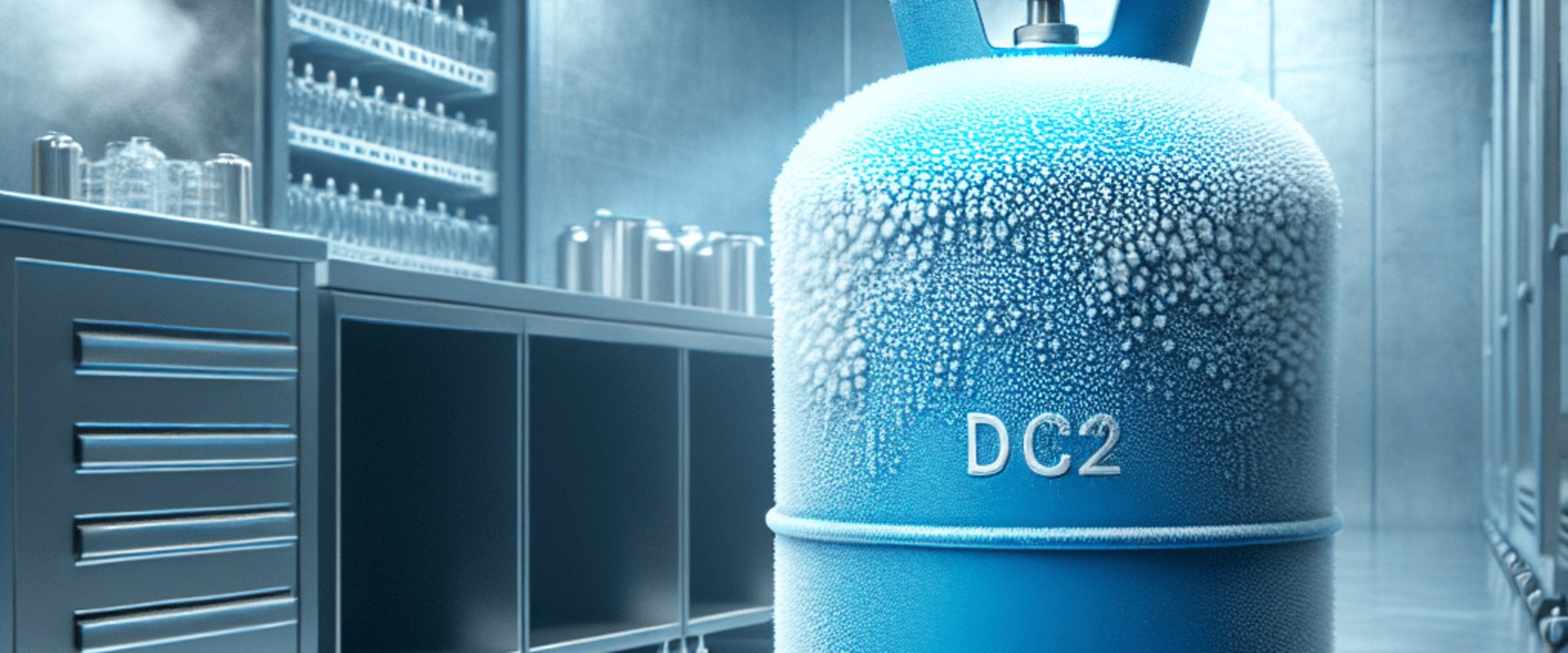
The HVAC industry is on the brink of a significant transformation as we prepare for the transition from R-410A to R-454B. This shift is not merely a change in refrigerants; it represents a pivotal moment in our commitment to environmental sustainability and energy efficiency. As the Environmental Protection Agency (EPA) enforces the phase-out of R-410A, which has been a staple in air conditioning systems for years, understanding the implications of this transition becomes crucial for both HVAC professionals and consumers alike.R-410A has long been favored for its efficiency and performance, but its high global warming potential (GWP) has raised concerns about its environmental impact. In response to these concerns, R-454B has emerged as a viable alternative, boasting a significantly lower GWP while maintaining similar performance characteristics.
This transition is not just about compliance with regulations; it is about embracing a future where our choices contribute positively to the planet.For HVAC contractors and technicians, the move to R-454B necessitates a thorough understanding of new installation practices, safety measures, and equipment compatibility. As R-454B is classified as an A2L refrigerant, it introduces unique considerations regarding flammability and handling. This means that professionals must be well-versed in the latest safety protocols to ensure that installations are compliant with local and federal regulations.Consumers, too, will feel the effects of this transition. As older systems using R-410A become obsolete, homeowners will need to consider upgrading to newer models designed for R-454B.
This shift not only impacts the cost of new equipment but also emphasizes the importance of working with knowledgeable HVAC professionals who can guide them through this evolving landscape. The future of refrigerants is here, and being informed is key to navigating this change successfully.
What is R-454B?
R-454B is a next-generation refrigerant that has been developed as a more environmentally friendly alternative to R-410A. It is classified as an A2L refrigerant, which indicates that it is mildly flammable but poses a lower risk compared to traditional refrigerants. Understanding the properties and characteristics of R-454B is essential for HVAC professionals as they prepare for its widespread adoption in the coming years.Properties of R-454B
- Global Warming Potential (GWP): One of the most significant advantages of R-454B is its low GWP of 466, which is substantially lower than that of R-410A, which has a GWP of 2088. This reduction in GWP makes R-454B a more sustainable choice for cooling applications.
- Thermodynamic Efficiency: R-454B exhibits excellent thermodynamic properties, allowing for efficient heat transfer.
This efficiency can lead to lower energy consumption and reduced operational costs for HVAC systems.
- Compatibility: While R-454B is designed to be a drop-in replacement for R-410A in many systems, it is crucial to ensure that existing equipment is compatible. HVAC professionals should consult manufacturer guidelines to confirm compatibility before making the switch.
Benefits of R-454B
- Environmental Impact: The transition to R-454B aligns with global efforts to reduce greenhouse gas emissions. Its lower GWP contributes to a smaller carbon footprint, making it an attractive option for environmentally conscious consumers and businesses.
- Regulatory Compliance: As regulations surrounding refrigerants become stricter, adopting R-454B can help HVAC companies stay compliant with environmental laws and avoid potential penalties associated with high-GWP refrigerants.
- Safety Features: Although classified as mildly flammable, R-454B has been designed with safety in mind. It has a higher ignition temperature compared to many other refrigerants, reducing the risk of accidental ignition during normal operation.
As HVAC professionals prepare for the transition from R-410A, understanding these properties will be crucial in ensuring a smooth and effective implementation of this new refrigerant.
The Environmental Impact of Refrigerants
The environmental implications of refrigerants are becoming increasingly critical as we face the realities of climate change. Traditional refrigerants, particularly hydrofluorocarbons (HFCs) like R-410A, have been widely used in air conditioning and refrigeration systems. However, these substances are notorious for their high global warming potential (GWP ), which significantly contributes to greenhouse gas emissions when released into the atmosphere.To understand the urgency of transitioning to more sustainable options, it is essential to grasp the concept of GWP. This metric measures how much heat a greenhouse gas traps in the atmosphere over a specific time frame compared to carbon dioxide (CO2).For instance, R-410A has a GWP of approximately 2,088, meaning it is over 2,000 times more effective at trapping heat than CO2. In contrast, R-454B has a GWP of around 466, making it a far more environmentally friendly alternative.Regulatory changes are also driving the shift towards lower GWP refrigerants. The Environmental Protection Agency (EPA ) has implemented stringent regulations aimed at phasing out high-GWP refrigerants. These regulations not only encourage manufacturers to develop and adopt alternatives but also compel contractors and technicians to adapt their practices accordingly.
As part of this transition, the EPA has set specific deadlines for the phase-out of certain refrigerants, which will impact both new installations and existing systems.Moreover, the adoption of lower GWP refrigerants is not merely a regulatory requirement; it is a crucial step towards sustainability in the HVACR industry. By transitioning to refrigerants like R-454B, we can significantly reduce our carbon footprint and mitigate the adverse effects of climate change. This shift not only benefits the environment but also aligns with growing consumer demand for eco-friendly solutions.In conclusion, understanding the environmental impact of refrigerants is vital for all stakeholders in the HVACR industry. As we prepare for the transition to R-454B and other low-GWP alternatives, it is imperative that we prioritize sustainability and compliance with evolving regulations.
By doing so, we can contribute to a healthier planet while ensuring that our industry remains viable and responsible.
Preparing for the Transition: What AC Repair Professionals Need to Know
As the HVAC industry gears up for the transition to R-454B, it is essential for AC repair professionals to be well-prepared. This preparation involves understanding the unique characteristics of R-454B, which is classified as an A2L refrigerant, indicating that it is mildly flammable. Here are some key areas that technicians should focus on to ensure a smooth transition.Training Requirements
To effectively handle R-454B, technicians must undergo specialized training. This training should cover:- Properties of A2L Refrigerants: Understanding the physical and chemical properties of R-454B, including its flammability and pressure characteristics.
- Safety Protocols: Learning about the necessary safety measures when working with mildly flammable refrigerants, including proper ventilation and leak detection methods.
- Installation Techniques: Familiarizing oneself with the installation requirements specific to systems using R-454B, including any modifications needed for existing equipment.
Safety Measures
Implementing robust safety measures is crucial when transitioning to R-454B.Technicians should:
- Use Personal Protective Equipment (PPE): Always wear appropriate PPE, such as gloves and goggles, to protect against potential exposure.
- Conduct Regular Leak Checks: Utilize advanced leak detection equipment to identify any refrigerant leaks promptly.
- Ensure Proper Ventilation: Work in well-ventilated areas to minimize the risk of flammable gas accumulation.
Best Practices for Handling A2L Refrigerants
To ensure compliance with regulations and maintain safety standards, AC repair professionals should adopt best practices such as:- Recovery and Recycling: Implement rigorous recovery and recycling protocols for refrigerants to minimize environmental impact and comply with EPA regulations.
- Documentation: Keep detailed records of refrigerant usage, recovery, and disposal to ensure accountability and traceability.
- Stay Informed: Regularly update knowledge on industry standards and regulations regarding refrigerants to remain compliant and informed about best practices.
Challenges in the Transition to R-454B
The transition to R-454B presents several challenges that HVACR professionals must navigate to ensure a smooth shift from R-410A. Understanding these challenges is crucial for effective planning and execution.Refrigerant Shortages
One of the most pressing issues is the potential for refrigerant shortages. As manufacturers ramp down production of R-410A in anticipation of the 2025 phase-out, the availability of this refrigerant will dwindle. This scarcity can lead to increased prices and difficulty in sourcing R-410A for existing systems that still require it.Moreover, as demand for R-454B rises, there may be initial supply chain constraints as manufacturers adjust to new production requirements.
Installation Challenges
Another significant hurdle is the installation challenges associated with R-454B. Being classified as an A2L refrigerant, R-454B is slightly flammable, which necessitates additional safety measures during installation. Contractors must be well-versed in local and federal regulations regarding the handling and installation of A2L refrigerants. This includes:- Ensuring proper ventilation in installation areas.
- Implementing leak detection systems where required.
- Adhering to specific installation guidelines provided by manufacturers.
Compatibility Issues
Additionally, many existing systems are not designed to accommodate R-454B.This incompatibility means that retrofitting current air conditioning units is not an option, forcing contractors to consider complete system replacements for clients looking to transition. The cost implications of this can be significant, as clients may be hesitant to invest in new equipment when they are still managing older systems.In conclusion, while the transition to R-454B is a necessary step towards more environmentally friendly refrigerants, it comes with its own set of challenges. By proactively addressing potential shortages, installation complexities, and compatibility issues, HVACR professionals can better prepare themselves and their clients for a successful transition.
Regulatory Compliance and Safety Measures
As the HVACR industry prepares for the transition to R-454B, understanding the regulatory landscape surrounding refrigerants is essential. The Environmental Protection Agency (EPA) has implemented a series of regulations aimed at reducing the environmental impact of refrigerants, particularly those with high global warming potential (GWP).R-410A, which has been widely used, is being phased out due to its significant GWP, making way for alternatives like R-454B.R-454B is classified as an A2L refrigerant, which indicates that it is mildly flammable. This classification necessitates specific safety measures during installation and maintenance. Contractors and technicians must be well-versed in these safety protocols to ensure compliance with local and federal regulations.
Key Compliance Guidelines
- Training and Certification: Technicians must undergo training to handle A2L refrigerants safely. Certification programs often cover the unique properties of A2L gases, including their flammability and required safety measures.
- Leak Detection: Implementing effective leak detection systems is crucial.
These systems should be capable of identifying refrigerant leaks promptly to mitigate risks associated with flammability.
- Ventilation Requirements: Adequate ventilation must be ensured in areas where A2L refrigerants are used. This helps disperse any potential leaks and reduces the risk of accumulation in confined spaces.
- Storage and Handling: Proper storage protocols must be followed for A2L refrigerants. This includes using appropriate containers and ensuring that they are stored in well-ventilated areas away from ignition sources.
Regularly consulting with suppliers and regulatory bodies can help ensure compliance and enhance safety practices.The transition to R-454B represents a significant shift in the HVACR industry, but with proper adherence to regulatory compliance and safety measures, contractors can navigate this change effectively. By prioritizing safety and staying informed about regulations, HVAC professionals can contribute to a more sustainable future while ensuring the safety of their operations.
The Role of Recovery and Recycling in Refrigerant Management
As the HVACR industry transitions to new refrigerants like R-454B, the significance of refrigerant recovery and recycling practices cannot be overstated. These processes are essential not only for compliance with environmental regulations but also for promoting sustainable HVAC practices that minimize the industry's carbon footprint.Refrigerant recovery involves the safe extraction of refrigerants from systems that are being decommissioned or serviced. This practice is crucial for preventing harmful substances from entering the atmosphere.The Environmental Protection Agency (EPA) mandates that technicians recover refrigerants before disposing of old equipment, ensuring that these gases do not contribute to ozone depletion or global warming.To effectively implement refrigerant recovery, AC repair professionals should adopt the following best practices:
- Use Certified Recovery Equipment: Ensure that all recovery machines are certified and regularly maintained. This equipment should be capable of recovering refrigerants efficiently and safely.
- Follow EPA Guidelines: Familiarize yourself with the latest EPA regulations regarding refrigerant recovery and disposal. Compliance is not just a legal obligation; it also reflects a commitment to environmental stewardship.
- Train Technicians: Regular training sessions for technicians on proper recovery techniques and safety measures can significantly enhance recovery rates and reduce leaks.
- Document Recovery Processes: Keep detailed records of all refrigerant recovery activities. This documentation is vital for compliance audits and can help track the effectiveness of your recovery efforts.
Refrigerant recycling involves purifying recovered refrigerants so they can be reused in new systems. This process not only conserves resources but also reduces the demand for virgin refrigerants, which can be costly and environmentally damaging to produce.Here are some key benefits of adopting recycling practices:
- Cost Savings: By recycling refrigerants, companies can save on purchasing new refrigerants, which can be particularly beneficial as prices rise due to supply constraints.
- Environmental Impact: Recycling reduces the overall demand for new refrigerants, thereby decreasing the environmental impact associated with their production and disposal.
- Enhanced Reputation: Companies that prioritize sustainable practices often enjoy a better reputation among consumers who are increasingly concerned about environmental issues.
Future Trends in Refrigerants Beyond R-454B
As the HVAC industry prepares for the transition to R-454B, it is essential to look beyond this refrigerant and explore future trends that may redefine the landscape of cooling technologies. The ongoing evolution in refrigerants is driven by a combination of regulatory pressures, environmental concerns, and technological advancements.Emerging Refrigerant Alternatives
While R-454B is a significant step forward, several other refrigerants are being developed and tested as potential successors.These alternatives aim to provide efficient cooling while minimizing environmental impact:
- R-32: This refrigerant has gained popularity due to its lower global warming potential (GWP) compared to R-410A. Its efficiency in heat transfer makes it a strong candidate for future systems.
- Natural Refrigerants: Options like ammonia (R-717), carbon dioxide (R-744), and hydrocarbons (such as propane and isobutane) are being increasingly considered. These natural refrigerants have minimal environmental impact and can be highly efficient, although they may require specific safety measures due to their flammability or toxicity.
- HFOs (Hydrofluoroolefins): Beyond R-454B, HFOs represent a new class of refrigerants with very low GWP. They are designed to break down more quickly in the atmosphere, reducing their long-term environmental impact.
Technological Innovations in HVAC Systems
The future of refrigerants is not solely about the substances themselves but also about the technologies that utilize them.Innovations in HVAC systems are paving the way for more sustainable practices:
- Variable Refrigerant Flow (VRF) Systems: These systems allow for precise control of refrigerant flow, improving energy efficiency and reducing waste. As VRF technology advances, it will likely incorporate next-generation refrigerants.
- Smart Thermostats and IoT Integration: The integration of smart technology into HVAC systems enables better monitoring and management of energy use. This can lead to optimized performance with new refrigerants, ensuring that systems operate efficiently under varying conditions.
- Advanced Heat Exchangers: Innovations in heat exchanger design can enhance the efficiency of refrigerants, allowing for better heat transfer and reduced energy consumption.
FAQs About the Transition to R-454B
As the HVACR industry prepares for the transition to R-454B, many questions arise regarding its implications, safety, and compatibility.Below are some frequently asked questions that can help clarify common concerns.
What is R-454B and why is it being adopted?
R-454B is a new refrigerant that will replace R-410A as part of the EPA's initiative to phase out high global warming potential (GWP) refrigerants. With a GWP of 466, R-454B is considered a more environmentally friendly option, making it a crucial step towards reducing the HVACR industry's carbon footprint.Is R-454B safe to use?
While R-454B is classified as an A2L refrigerant, indicating it is mildly flammable, it can be safely used when proper installation and safety measures are followed. Technicians must adhere to local and federal regulations during installation to ensure safety protocols are in place.Can existing systems be retrofitted to use R-454B?
No, current air conditioning systems designed for R-410A cannot be retrofitted to use R-454B. This means that any system installed before the transition will need to be replaced with new equipment compatible with A2L refrigerants.What should I do if my system requires R-410A after 2025?
As supplies of R-410A dwindle due to the phase-out, it’s essential to plan ahead.Homeowners should consult with their HVAC professionals about the best course of action for maintaining their systems. This may include scheduling regular maintenance and ensuring that any refrigerant recovery practices are followed diligently.
How can I prepare for the transition?
- Stay Informed: Keep up with industry news regarding refrigerants and regulations.
- Consult Professionals: Work with certified HVAC technicians who are knowledgeable about the transition to R-454B.
- Plan for Upgrades: If your system is nearing the end of its lifespan, consider upgrading to a unit designed for R-454B.
Conclusion: Embracing Change in the HVAC Industry
As we stand on the brink of a significant transition in the HVAC industry, it is essential to reflect on the key points discussed regarding the shift to R-454B refrigerant. This change is not merely a regulatory requirement; it represents a pivotal moment for both professionals in the field and consumers who rely on efficient and environmentally friendly cooling solutions.The impending phase-out of R-410A by 2025 necessitates that contractors and technicians prepare for the integration of R-454B into their service offerings. Understanding the properties of this new refrigerant, particularly its classification as an A2L gas, is crucial.As we stand on the brink of a significant transition in the HVAC industry, it is essential to reflect on the key points discussed regarding the shift to R-454B refrigerant. This change is not merely a regulatory requirement; it represents a pivotal moment for both professionals in the field and consumers who rely on efficient and environmentally friendly cooling solutions.The impending phase-out of R-410A by 2025 necessitates that contractors and technicians prepare for the integration of R-454B into their service offerings. Understanding the properties of this new refrigerant, particularly its classification as an A2L gas, is crucial.This classification indicates that R-454B is slightly flammable, which means that additional safety measures must be implemented during installation and maintenance. Professionals must stay informed about local and federal regulations to ensure compliance and safety.Moreover, the transition to R-454B highlights the importance of proper refrigerant recovery and recycling practices. As supplies of virgin refrigerants dwindle, the HVAC industry must rely increasingly on recovered refrigerants to service existing systems. This shift not only supports environmental sustainability but also helps mitigate potential shortages and price increases associated with popular refrigerants like R-410A.For consumers, understanding these changes is equally important.
As new systems are installed with R-454B, homeowners should be aware of the implications for their current equipment and future maintenance needs. Engaging with knowledgeable HVAC professionals who are well-versed in these transitions will ensure that they receive optimal service and support.In conclusion, embracing change in refrigerant technology is vital for the future of the HVAC industry. By adapting to new regulations, investing in training, and prioritizing safety, both professionals and consumers can navigate this transition successfully. The move towards more sustainable refrigerants like R-454B not only aligns with environmental goals but also enhances the efficiency and reliability of HVAC systems for years to come.